
Investing in Sri Lanka Real Estate as an Indian Buyer: What the Altaira Launch Signals
Listiing's first Sri Lanka listing — Altaira, a ridge-top branded hotel-residence estate — is also a useful lens on a market most Indian buyers have never seriously considered. Here is how foreign ownership actually works there, and why the timing is worth paying attention to.
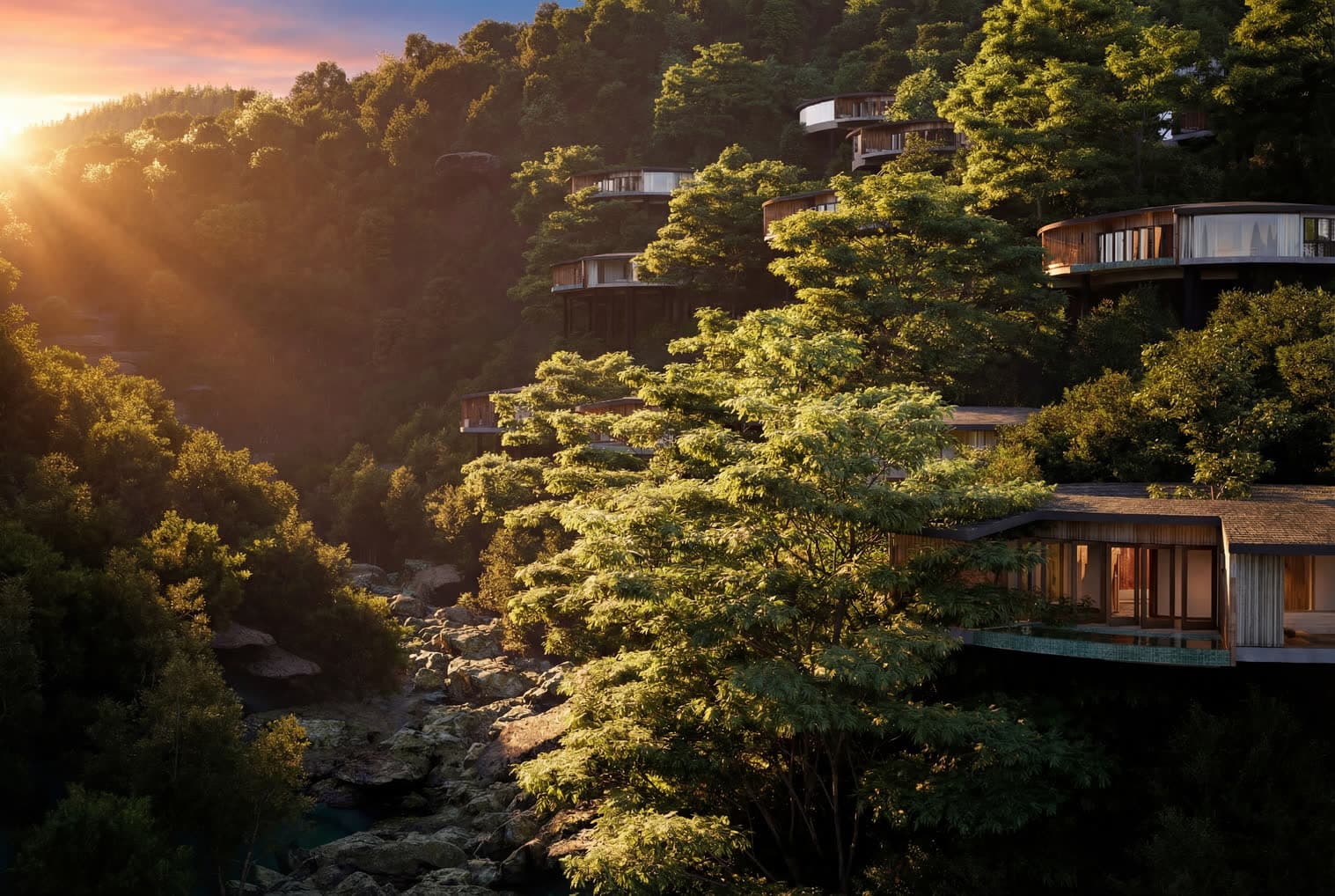
Listiing has, until now, been a Goa and North India curation platform. That changes with our first Sri Lanka listing — Altaira, a ridge-top branded hotel-residence estate above Bulathkohupitiya, roughly two hours from Colombo. We are not covering it because Sri Lanka is trending. We are covering it because the legal mechanics of foreign ownership there have genuinely changed in the last few years, the tourism sector is in the middle of a real, measurable recovery, and Altaira happens to be a clean, well-built illustration of what that combination looks like on the ground. This piece uses it as the example; the point is broader than one estate.
Why Sri Lanka, Why Now
Sri Lanka's tourism sector went through a genuinely difficult stretch — the 2019 Easter attacks, the pandemic, and the 2022 economic crisis compressed arrivals hard. The recovery since has been substantial and is now showing up in the numbers that matter to a property investor: sustained year-on-year growth in international arrivals, record-breaking visitor years, and — more relevant to hospitality-linked real estate specifically — a deliberate government and industry push toward luxury tourism rather than volume alone. That shift toward higher-spend visitors is precisely the segment branded hotel-residences are built to serve, and it is also the segment where a five-acre, deliberately low-density estate like Altaira is positioned, rather than in mass-market beach tourism.
None of this is a promise of returns — no market recovery is linear, and tourism is a cyclical, externally-exposed sector by nature. What it does mean is that the current phase of the cycle is one where new luxury hospitality supply is being built into a genuinely growing visitor base rather than a shrinking one, and that international hotel operators are re-entering the market at a pace that signals institutional confidence, not just local optimism.
Can an Indian Buyer Actually Own Property in Sri Lanka?
This is the question every serious enquiry starts with, and the honest answer is: it depends entirely on what you are buying and how it is structured — Sri Lanka does not extend the same freehold-by-default access to foreign buyers that India does to its own residents.
Sri Lanka's Land (Restrictions on Alienation) Act governs this. In its base form, it restricts foreign individuals, foreign companies, and even Sri Lankan companies with foreign shareholding at or above a controlling threshold from directly acquiring land and buildings. That sounds prohibitive, and for straightforward land purchase, it is. But a 2018 amendment to the Act carved out a specific, deliberate exception: foreign nationals can acquire a condominium parcel — a unit within a building registered under Sri Lanka's Apartment Ownership Law — on any floor, with no restriction to upper floors as earlier rules required. The one hard condition is that the full purchase consideration must move as an inward foreign remittance before the transfer deed is executed, not after.
That condominium-parcel carve-out is the legal mechanism that makes foreign ownership of apartment-style and strata-titled units genuinely workable in Sri Lanka today. It is narrower than a blanket "foreigners can buy property" statement — raw land and standalone freehold houses sit outside it, and a serious buyer needs their own Sri Lankan legal counsel to confirm exactly how a specific development is structured and titled before assuming freehold access applies. A well-run branded-residence project will have already built its ownership structure around this framework and will be able to show you, in writing, how your specific unit type is titled.
What "Branded Residence" Actually Buys You
A branded hotel-residence — the category Altaira sits in — pairs private ownership of a unit with professional hospitality management of the wider property. The appeal for a buyer who will not live in the unit year-round is straightforward: the operator handles guest turnover, maintenance, and rental yield management, while the owner retains defined periods of personal use. This is a fundamentally different ownership experience from buying a standalone villa and either leaving it empty most of the year or managing bookings yourself from another country.
What distinguishes a serious branded-residence project from a speculative one is density discipline and construction transparency. Altaira's masterplan deliberately caps unit count across its villas, suites, and yurts rather than maximising density on the site — a decision that protects the experience (and, by extension, the asset) for every owner, not just early buyers. It is also currently under construction on a phased timeline, which is the kind of fact a buyer should get in writing with real milestones, not marketing language, regardless of which developer or market they are buying into.
What an Indian Buyer Should Actually Verify
Before any commitment, confirm the following with independent Sri Lankan legal counsel — not solely through the seller's own documentation:
- How your specific unit is legally titled — condominium parcel under the Apartment Ownership Law, or a different structure — and whether that structure is confirmed to be compliant with the Land (Restrictions on Alienation) Act as it applies to foreign buyers.
- The inward-remittance mechanics: Sri Lankan law requires the full purchase price to move as foreign currency into Sri Lanka before the transfer deed executes, so your bank and the seller's bank need to be aligned on process well before you are ready to sign.
- The operator's track record and the terms of the management agreement governing rental yield-sharing and your own usage rights — this is a contractual matter separate from the property title itself.
- Construction-stage documentation for anything under construction, verified independently rather than taken from renders or brochures alone.
A Note for Buyers
Sri Lanka is not Goa, and this article is not suggesting the two markets behave alike. What they share, from Listiing's perspective, is the same discipline we apply everywhere we list: verify the legal mechanism before the marketing, understand exactly what you are buying and how it is titled, and treat a recovering market as an opportunity to move early with real diligence — not as a reason to skip diligence because the story sounds good. If Altaira or Sri Lanka more broadly is of interest, browse the listing at https://listiing.com/property/ or reach out and we will walk you through the ownership structure in detail before you commit to anything.
Frequently Asked Questions
Can Indian citizens legally buy property in Sri Lanka?
Yes, but not in the same unrestricted way Indian residents can buy property in India. Sri Lanka's Land (Restrictions on Alienation) Act generally restricts foreign nationals from directly acquiring land and buildings, but a 2018 amendment permits foreign buyers to acquire condominium parcels registered under the Apartment Ownership Law, on any floor, provided the full purchase price is paid via inward foreign remittance before the transfer deed is executed.
What is the condominium parcel exemption in Sri Lankan property law?
It is the mechanism that allows foreign nationals to hold ownership of apartment-style or strata-titled units in Sri Lanka despite the general restriction on foreigners acquiring land and buildings. Introduced by a 2018 amendment to the Land (Restrictions on Alienation) Act, it removed the earlier restriction limiting foreign purchases to upper floors and requires the full purchase consideration to move as foreign currency into Sri Lanka before the deed is executed.
Is now a good time to look at Sri Lankan hospitality-linked real estate?
Sri Lanka's tourism sector has recovered substantially since the 2022 economic crisis, with sustained growth in international arrivals and a deliberate industry shift toward higher-spend luxury tourism rather than volume alone. That is a meaningfully different backdrop than a few years ago, though tourism remains a cyclical sector and no market recovery is guaranteed to continue in a straight line — buyers should treat the current phase as an opportunity to diligence carefully, not as a reason to skip diligence.
What is a branded hotel-residence and how does ownership work?
A branded hotel-residence pairs private ownership of an individual unit with professional hospitality management of the wider property. The operator typically handles guest turnover, maintenance, and rental yield management, while the owner retains defined periods for personal use — a different ownership model from a standalone villa an owner must manage or leave vacant independently.
What should an Indian buyer verify before purchasing in Sri Lanka?
Independent Sri Lankan legal counsel should confirm exactly how the specific unit is titled and that the structure complies with the Land (Restrictions on Alienation) Act, the inward-remittance process required before deed execution, the operator's track record and management-agreement terms, and — for anything under construction — independently verified construction-stage documentation rather than renders or brochures alone.
People also ask
Quick answers on this topic.
- Can Indian citizens legally buy property in Sri Lanka? +
- Yes, but not in the same unrestricted way Indian residents can buy property in India. Sri Lanka's Land (Restrictions on Alienation) Act generally restricts foreign nationals from directly acquiring land and buildings, but a 2018 amendment permits foreign buyers to acquire condominium parcels registered under the Apartment Ownership Law, on any floor, provided the full purchase price is paid via inward foreign remittance before the transfer deed is executed.
- What is the condominium parcel exemption in Sri Lankan property law? +
- It is the mechanism that allows foreign nationals to hold ownership of apartment-style or strata-titled units in Sri Lanka despite the general restriction on foreigners acquiring land and buildings. Introduced by a 2018 amendment to the Land (Restrictions on Alienation) Act, it removed the earlier restriction limiting foreign purchases to upper floors and requires the full purchase consideration to move as foreign currency into Sri Lanka before the deed is executed.
- Is now a good time to look at Sri Lankan hospitality-linked real estate? +
- Sri Lanka's tourism sector has recovered substantially since the 2022 economic crisis, with sustained growth in international arrivals and a deliberate industry shift toward higher-spend luxury tourism rather than volume alone. That is a meaningfully different backdrop than a few years ago, though tourism remains a cyclical sector and no market recovery is guaranteed to continue in a straight line — buyers should treat the current phase as an opportunity to diligence carefully, not as a reason to skip diligence.
- What is a branded hotel-residence and how does ownership work? +
- A branded hotel-residence pairs private ownership of an individual unit with professional hospitality management of the wider property. The operator typically handles guest turnover, maintenance, and rental yield management, while the owner retains defined periods for personal use — a different ownership model from a standalone villa an owner must manage or leave vacant independently.
- What should an Indian buyer verify before purchasing in Sri Lanka? +
- Independent Sri Lankan legal counsel should confirm exactly how the specific unit is titled and that the structure complies with the Land (Restrictions on Alienation) Act, the inward-remittance process required before deed execution, the operator's track record and management-agreement terms, and — for anything under construction — independently verified construction-stage documentation rather than renders or brochures alone.
Have a question?
Talk to us about what you read.
If this piece raised questions about a specific property or corridor, drop us a line. Short, honest replies — that's all we do.