Agricultural Land Conversion in Goa: Everything Buyers Need to Know
The vast majority of available land in Goa is still classified as agricultural in the state’s land records — a legacy of the Portuguese administrative era and the Indian government’s agricultural land ceiling legislation. For buyers intending to construct on t
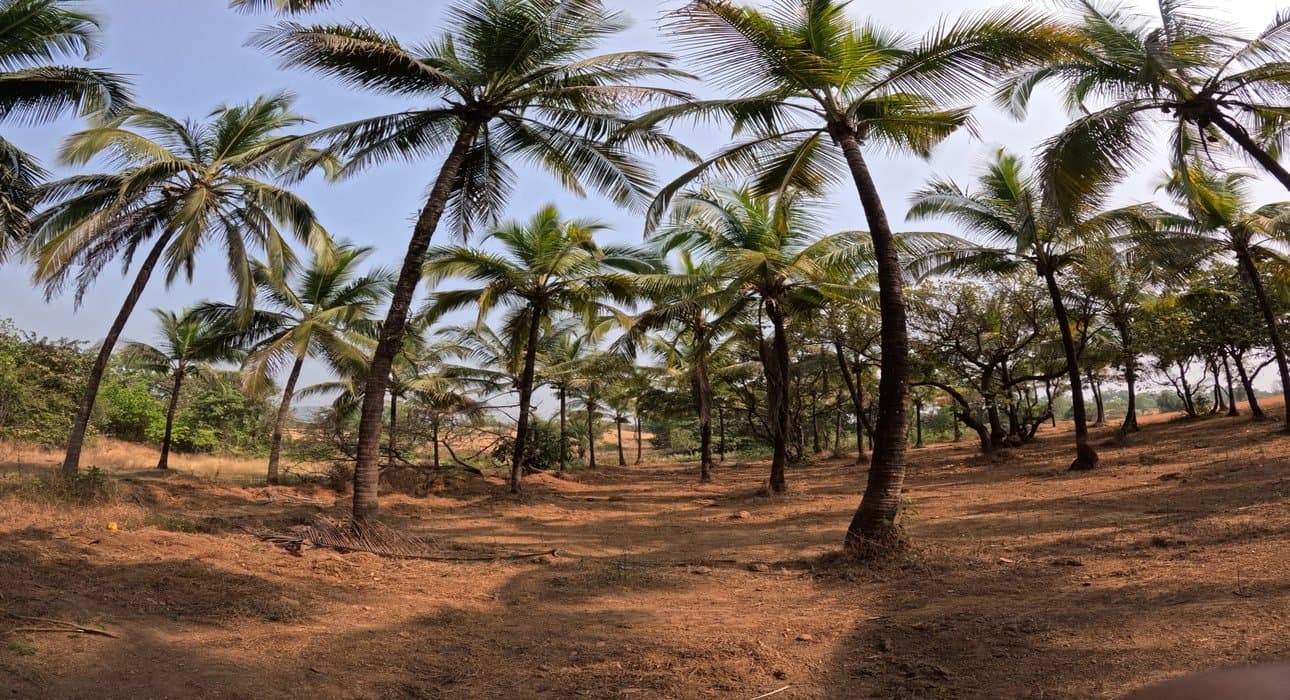
The vast majority of available land in Goa is still classified as agricultural in the state’s land records — a legacy of the Portuguese administrative era and the Indian government’s agricultural land ceiling legislation. For buyers intending to construct on their purchase, understanding the conversion process is not optional. It is the difference between a viable asset and an expensive problem.
What Is Agricultural Land Conversion in Goa?
Land conversion (also called NA — Non-Agricultural — conversion) is the legal process by which agricultural land is reclassified to permit residential, commercial, or industrial construction. In Goa, this process is governed by the Goa (Prohibition of Conversion of Paddy Fields and Khazan Lands) Act, 2010, the Goa Land Revenue Code, and the applicable Regional Plan 2021 or Outline Development Plan.
Not all agricultural land can be converted. Land that is khazan (low-lying saline paddy fields), land within notified eco-sensitive zones, and land within CRZ boundaries is either prohibited from conversion or faces severe restrictions. Buying agricultural land for conversion without first verifying convertibility is one of the highest-risk mistakes in the Goa market.
The Conversion Process
The standard agricultural land conversion process in Goa involves:
- Application to the District Collector: Submit Form I, the survey map, the title document chain, and a site plan showing intended use.
- NOC from various departments: Depending on the land and intended use, NOCs from the Town and Country Planning department, Water Resources Department, and Forest Department may be required.
- Field inspection: The Mamlatdar’s office conducts a site verification. Physical inspection and neighbour objection period follows.
- Order issuance: If approved, a formal Conversion Order is issued, specifying the permitted use and any conditions (setbacks, coverage, height restrictions).
The timeline for an uncomplicated conversion in Goa ranges from 6-18 months. Complex cases involving NOC requirements or objections can take 2-5 years.
Costs Involved
Conversion costs in Goa comprise the government conversion charge (calculated per square metre against the taluka's notified guidance value, with the rate varying by intended use category — residential, commercial, or industrial), stamp duty on the conversion order, professional fees for a qualified land consultant or lawyer, and survey and demarcation fees. Total cost for a given plot turns on the taluka's notified rate, the plot's intended use, and the depth of professional engagement required — we obtain a written estimate from the District Collector's office before any buyer commits.
The Buyer’s Smart Position
The safest position for a buyer considering agricultural land in Goa is to require that the seller complete the conversion before the sale — or to negotiate a significant price discount that compensates for the conversion risk and timeline you are taking on. A conversion order in hand adds demonstrable value and eliminates an entire category of risk.
Listiing only lists properties where conversion status and buildability have been verified. View our current verified listings — every property has been assessed for its development potential before it appears on our platform.
Frequently Asked Questions
How do I convert agricultural land to residential in Goa?
Apply to the District Collector with Form I and XIV, title documents, site plan, and a letter stating intended use. The application goes through NOC requirements from TCP, WRD, and Forest departments as applicable, a field inspection by the Mamlatdar, an objection period, and finally the Conversion Order is issued. Timeline is typically 6-18 months for a straightforward case.
Can all agricultural land in Goa be converted?
No. Khazan (paddy field) land is protected under the Goa Prohibition of Conversion of Paddy Fields Act 2010 and generally cannot be converted for residential or commercial use. Land within eco-sensitive zones, CRZ-I and II zones, and land within notified forest areas also faces prohibitions or severe restrictions. Always verify convertibility before purchase, not after.
What is the cost of agricultural land conversion in Goa?
Conversion charges are calculated per square metre against the taluka's notified guidance value, with the rate varying by intended use category (residential / commercial / industrial). Total cost for a plot — including stamp duty on the conversion order, lawyer and consultant fees, and survey and demarcation — turns on the taluka, the plot's use, and the complexity of NOC requirements. We obtain a written estimate from the District Collector's office for the specific survey number before any buyer commits, rather than rely on category ranges quoted online.
Should I buy agricultural land in Goa without a conversion order?
Only if you are prepared to accept the risk that conversion may be refused or delayed, and have negotiated a price that adequately discounts this risk. For HNI buyers who want certainty, insist on a conversion order before completing the purchase, or use a conditional Sale Agreement that makes completion contingent on successful conversion. Never pay full market price for non-converted agricultural land.
What is khazan land in Goa and why is it important for buyers?
Khazan land refers to low-lying saline paddy fields in coastal and estuarine areas of Goa, traditionally used for paddy and salt cultivation. The Goa government has prohibited conversion of khazan land for residential or commercial development since 2010. Buyers who accidentally purchase khazan land intending to build have found themselves with permanent restrictions on construction. Always verify khazan status through the Survey and Land Records office before any purchase near coastal or riverine areas.
People also ask
Quick answers on this topic.
- How much does it cost to convert agricultural land to residential in Goa? +
- Sanad (conversion) fees in Goa are calculated per square metre against the taluka's notified guidance value, with the rate varying by intended use category — residential is the lowest band, commercial and industrial are progressively higher. Legal, surveyor, and statutory approval costs sit on top. Headline per-square-metre figures quoted on aggregator portals are unreliable because the actual rate depends on the specific taluka's notification — we obtain a written estimate from the District Collector's office before any buyer commits.
- Can an outsider buy agricultural land which is converted in Goa? +
- Yes — once agricultural land is properly converted to residential or commercial use through the Sanad process, it becomes regular property that any Indian citizen (including non-Goan and NRI) can purchase, subject to standard FEMA and registration rules.
- What is the Goa restriction on transfer of agricultural land? +
- Goa Land Revenue Code restricts the sale of agricultural land to non-agriculturists. NRIs and most non-Goan Indians fall outside the agriculturist definition and therefore cannot buy unconverted agricultural land directly. Conversion to residential or commercial use removes this restriction.
- What documents are required for land conversion in Goa? +
- Title deed, Form I & XIV (Record of Rights), survey plan, layout plan, no-objection certificates from village panchayat and TCP, and the Sanad application forms. The full file is submitted to the Mamlatdar or Collector’s office depending on jurisdiction.
- How long does agricultural land conversion take in Goa? +
- A clean Sanad application typically takes 6–18 months depending on jurisdiction, plot complexity, and approvals required. Buying pre-converted land removes this timeline entirely — which is why most curated listings on Listiing are already converted and ready to register.
Have a question?
Talk to us about what you read.
If this piece raised questions about a specific property or corridor, drop us a line. Short, honest replies — that's all we do.
More in Buying Guide