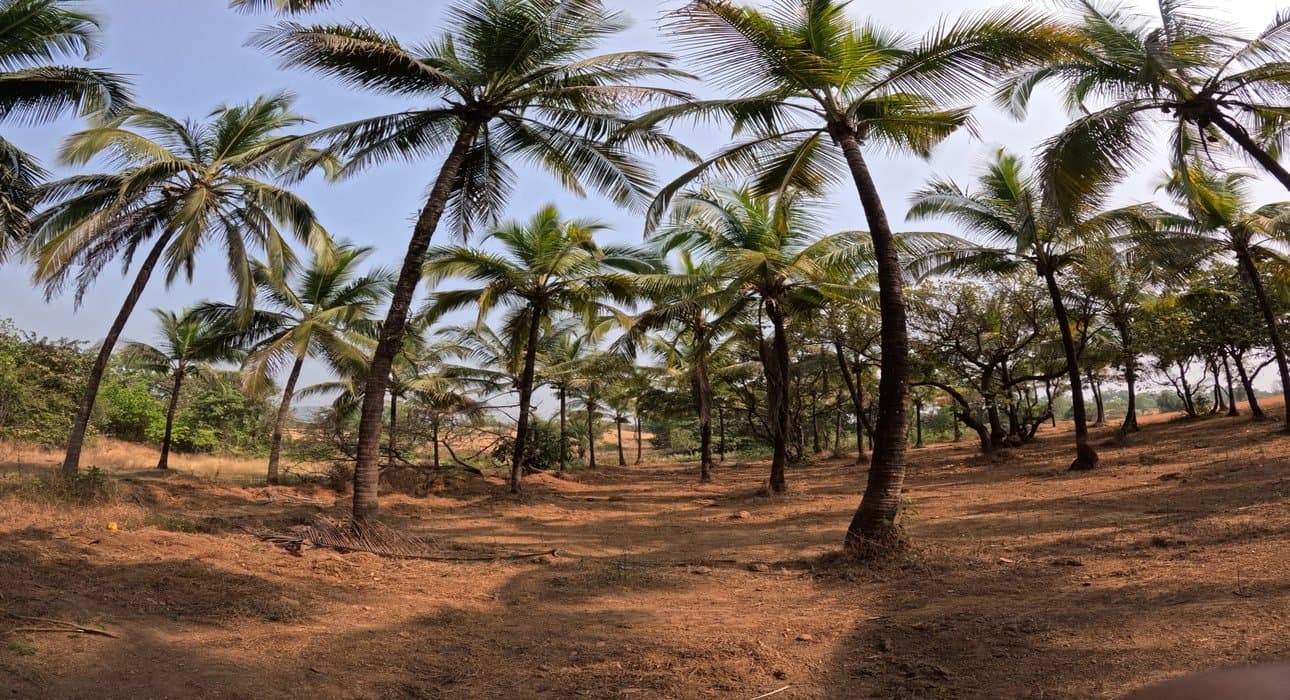
Understanding CRZ Rules for Coastal and Riverfront Property in Goa
The Coastal Regulation Zone (CRZ) notification is the single most important regulatory framework for any property buyer in Goa with coastal or riverfront ambitions. CRZ rules determine what can be built, how close to the waterline, and what existing structures
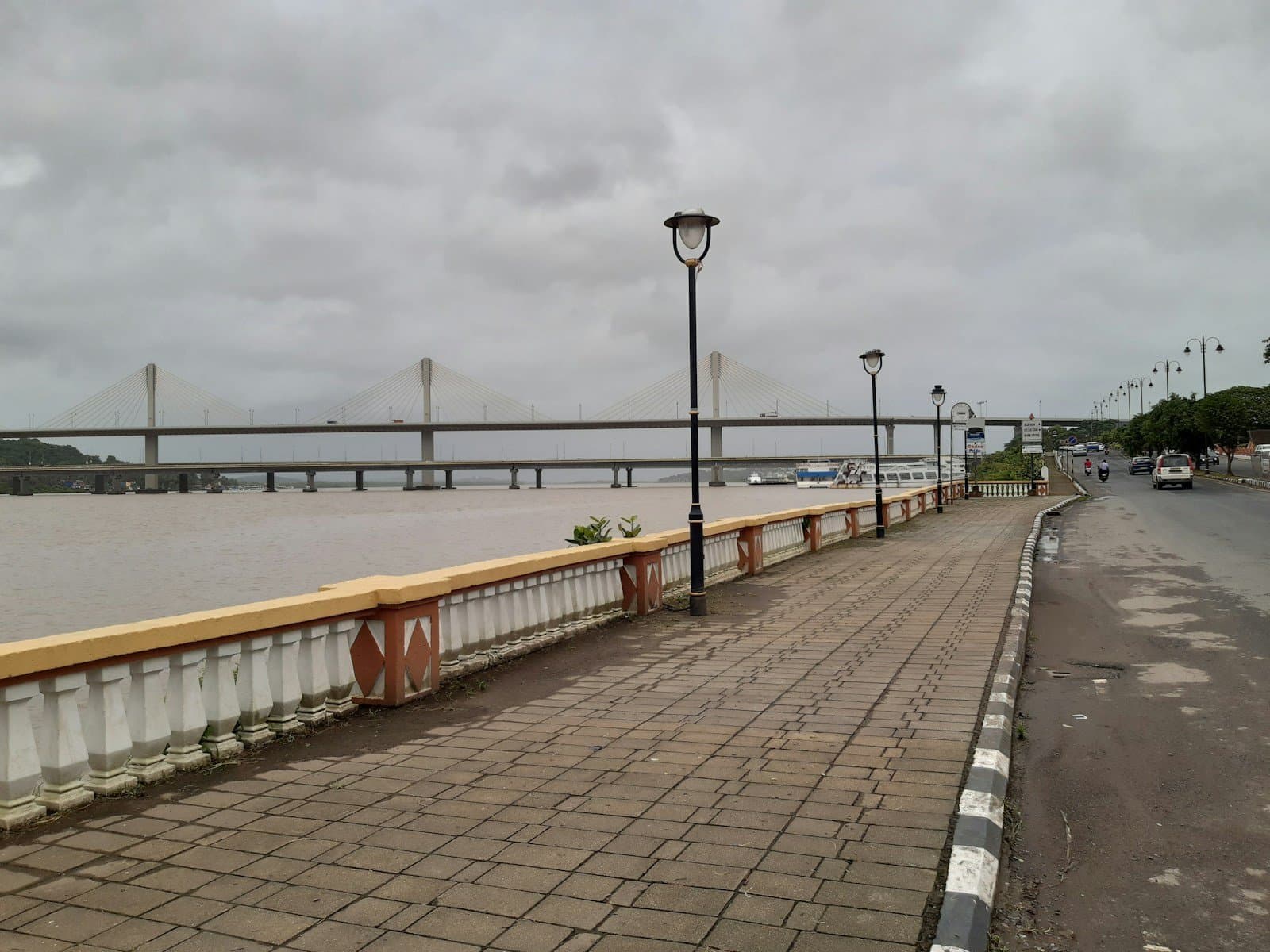
The Coastal Regulation Zone (CRZ) notification is the single most important regulatory framework for any property buyer in Goa with coastal or riverfront ambitions. CRZ rules determine what can be built, how close to the waterline, and what existing structures can be modified. Getting this wrong at the purchase stage is expensive and often irreversible. Here is what every Goa property buyer needs to understand.
What Is CRZ?
The Coastal Regulation Zone notification (CRZ 2019, replacing CRZ 2011) is a central government regulation issued under the Environment Protection Act. It restricts development activities within a defined coastal zone — measured from the High Tide Line (HTL) — to protect coastal ecology, fishing communities, and public access to the coast.
In Goa, CRZ applies not only to beaches and the Arabian Sea coastline, but to the banks of rivers that are 100 metres or more in width, estuaries, and backwaters. This means the Mandovi, Zuari, Chapora, and Sal rivers all have CRZ zones. Land adjacent to these rivers is subject to CRZ regulations regardless of how far it is from the sea.
The Four CRZ Categories
- CRZ-I (Ecologically Sensitive): Mangroves, coral reefs, inter-tidal zones, and ecologically critical areas. No permanent construction whatsoever. The most restrictive category.
- CRZ-II (Urban Areas): Land within municipal limits that has been developed on the seaward side. Construction is permitted subject to building regulations — essentially, built-up urban areas where the urban fabric can be maintained but new unregulated development is controlled.
- CRZ-III (Rural/Semi-Urban): The most common category for buyers in Goa. No development permitted within 50 metres of the HTL (the No Development Zone). Between 50-200 metres from HTL, only single-story ground-floor construction is permitted. Beyond 200 metres, normal building regulations apply.
- CRZ-IV (Aquatic Areas): Water bodies and tidal water areas. No construction.
The Practical Impact for Buyers
For a buyer considering riverfront or coastal land in Goa:
- Land within 50 metres of the HTL (CRZ-III NDZ) cannot be built upon at all — not even a boundary wall. If you are buying this land, you are buying a view easement and nothing more.
- Land between 50-200 metres from the HTL allows ground-floor construction only. A luxury villa on two or three floors is not possible here without violating CRZ.
- The most buildable coastal or riverfront land in Goa is that which sits 200+ metres from the HTL but has a direct view line to the water — and this is precisely what commands the highest legitimate premiums.
How to Verify CRZ Status
Request the CRZ clearance certificate from the Goa Coastal Zone Management Authority (GCZMA) or have your lawyer verify the plot’s location on the official CRZ demarcation maps. Also check for any pending CRZ violation notices — a property that has existing unauthorised construction in the CRZ zone transfers that liability to the buyer.
Listiing verifies CRZ status for every coastal and riverfront property before listing. Browse our verified coastal and riverfront inventory with the confidence that the CRZ fundamentals have been assessed.
Frequently Asked Questions
What is CRZ and why does it matter for buying property in Goa?
CRZ (Coastal Regulation Zone) is a central government regulation that restricts construction near coastlines, rivers, estuaries, and ecologically sensitive areas. In Goa, it applies to the Arabian Sea coast and major rivers including the Mandovi, Zuari, and Chapora. It determines what you can build, how close to the water, and what existing structures can be extended. Violating CRZ leads to demolition orders and can make a property effectively unsaleable.
How close to the beach can I build a house in Goa?
In CRZ-III areas (most rural and semi-urban coastal Goa), no permanent construction is permitted within 50 metres of the High Tide Line (HTL). Between 50-200 metres, only single-story ground-floor construction is permitted. Beyond 200 metres from the HTL, standard building regulations apply. CRZ-II areas (within municipal limits with existing development) have different rules and permit multi-story buildings subject to local building bylaws.
Does CRZ apply to riverfront property in Goa?
Yes. CRZ applies to the banks of rivers that are 100 metres or more in width in Goa, including the Mandovi, Zuari, Sal, and Chapora rivers. The same 50-metre No Development Zone and 50-200 metre restricted construction zone applies from the High Tide Line of these rivers as on the sea coast.
How do I check the CRZ status of a property in Goa?
Request the CRZ clearance certificate from GCZMA (Goa Coastal Zone Management Authority) for the specific survey number. Alternatively, have a qualified environmental lawyer or land consultant verify the plot’s position on the official CRZ demarcation maps published by GCZMA and MoEFCC. Also check for any pending CRZ violation notices, which transfer liability to a new buyer.
Can I buy CRZ land in Goa?
You can buy land within the CRZ zone, but you should understand exactly what you are buying. Land in the CRZ NDZ (within 50 metres of HTL) cannot be built upon at all. Land in the 50-200 metre zone has severe construction restrictions. If you are paying a premium expecting to build a luxury villa and the plot is CRZ-restricted, you have made an expensive mistake. Always verify CRZ status before, not after, committing to purchase.
People also ask
Quick answers on this topic.
- What are the CRZ rules in Goa? +
- CRZ (Coastal Regulation Zone) is a framework set by the Ministry of Environment, Forest and Climate Change. It classifies coastal and tidal-influenced land into four zones (CRZ-I most restricted, CRZ-IV least), each with defined permitted uses, setbacks, and FSI/height limits. Goa’s entire coastal stretch and tidal-river belts fall under CRZ.
- Can you build on CRZ land in Goa? +
- Yes, in many CRZ zones — but with specific setbacks and use restrictions. CRZ-II permits residential and limited commercial development with HTL setbacks. CRZ-III allows construction in “No Development Zones” only for specific exempt categories. Always validate the exact CRZ classification before purchase.
- How do I check the CRZ classification of a plot in Goa? +
- Refer to the approved Coastal Zone Management Plan (CZMP) for Goa, available on the Goa State Pollution Control Board portal. Any reputable seller or curator should provide the plot’s CRZ map reference and confirmed classification on request.
- What is the difference between CRZ-II and CRZ-III in Goa? +
- CRZ-II is the developed coastal stretch where construction is permitted on the landward side of existing roads and structures, with HTL setbacks. CRZ-III is the relatively undeveloped coastal stretch. Under the CRZ Notification 2019, the No Development Zone (NDZ) in CRZ-III runs to 50m from HTL for densely-populated rural areas and 200m from HTL for sparsely-populated rural areas — the applicable distance is plot-specific and must be confirmed against the GCZMA-notified CZMP.
- Are CRZ rules different for riverfront land vs coastal land in Goa? +
- Riverfront CRZ rules apply to tidal-influenced rivers (the Mandovi, Zuari, Chapora and Tiracol in Goa) — setbacks are typically 50-100m from the High Tide Line on the landward side. Non-tidal stretches fall under different state regulations. Always verify before purchase.
Have a question?
Talk to us about what you read.
If this piece raised questions about a specific property or corridor, drop us a line. Short, honest replies — that's all we do.
More in Buying Guide