Beachfront and Beach-Belt Property in North Goa: What Drives the Premium
Every North Goa beach belt is not the same market, and proximity to the water is not the only variable that matters. Here is how to read the geography before you shortlist by name alone.
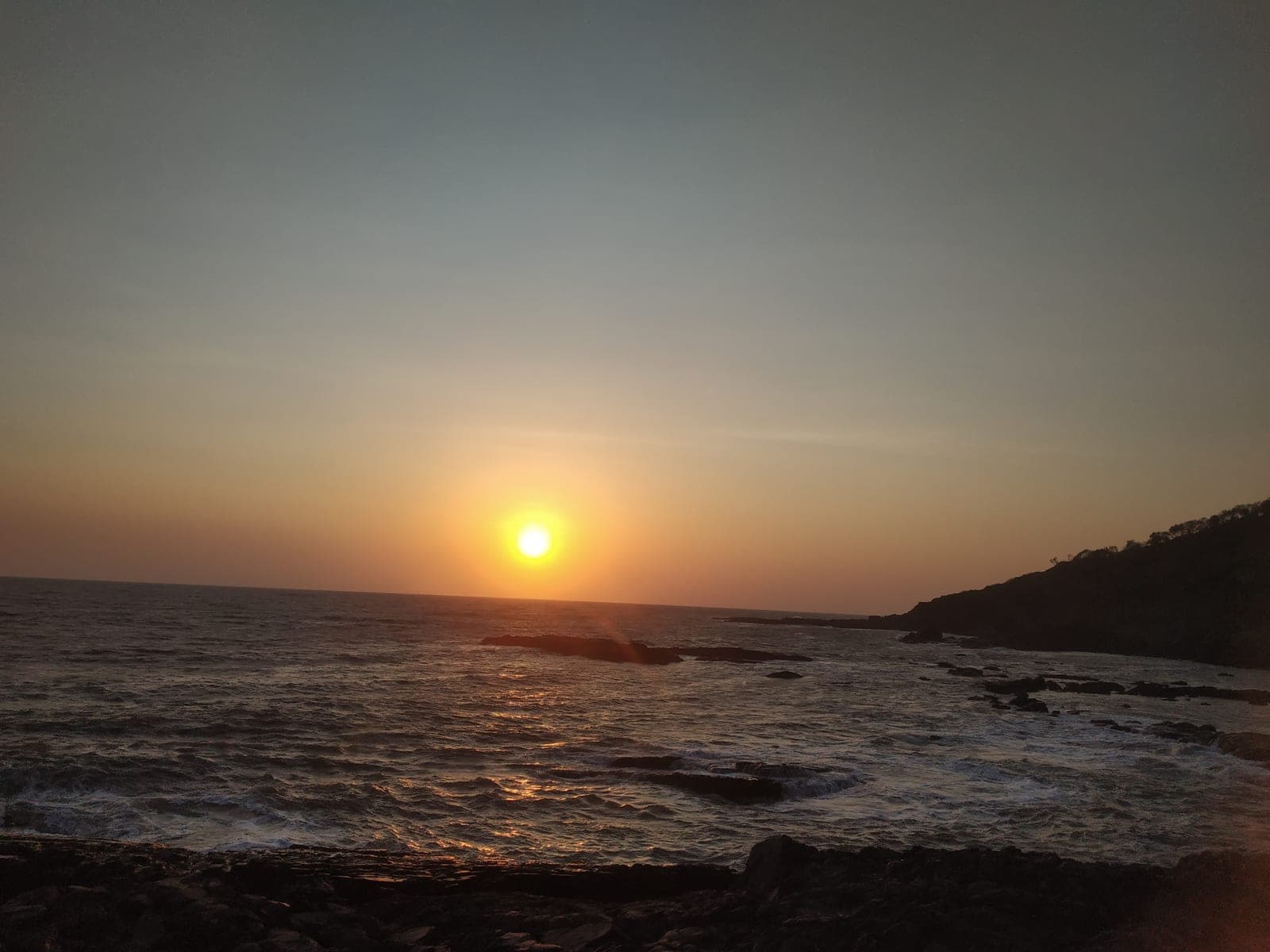
Photo: उर्मिला गावस, CC BY-SA 4.0, via Wikimedia Commons
Buyers new to Goa often start their search with a single instinct: closer to the beach is better. It is a reasonable starting instinct, but it collapses a genuinely varied stretch of coastline into one undifferentiated idea, and it skips past the regulatory reality that shapes what can physically be built near the water in the first place. This is a guide to reading North Goa's beach belts with more precision than "near the beach."
Why Proximity Commands Demand
The pull toward beach-adjacent property is straightforward and durable: walkability to the water is the single amenity a holiday-home buyer values most consistently, it is the feature that makes a property easiest to rent out to visitors who are themselves drawn to Goa for the coast, and it tends to hold buyer interest — and therefore resale liquidity — better than an equivalent property set further inland. None of that requires literal beachfront; a genuinely comfortable walking distance captures most of the practical benefit without some of the trade-offs that true beachfront carries, which we come to below.
The Belts Are Not Interchangeable
North Goa's well-known beach corridors have distinct characters, and matching your own priorities to the right one matters more than chasing a specific postcode's reputation:
- Calangute and Candolim sit at the more developed, amenity-dense end of the spectrum — established infrastructure, a wide range of dining and services within easy reach, and a beach that draws consistent footfall, including in peak season. This suits buyers who want convenience and activity close at hand, and who are comfortable with a livelier, more built-up surrounding area.
- Anjuna and Vagator carry a different, more boutique character — a longer-established creative and design-conscious crowd, a more distinctive built environment, and a beach experience that trades some of Calangute's convenience for a more individual sense of place.
- Morjim and Ashwem sit at the quieter end — lower density, a slower pace, and a beach environment less oriented toward high footfall tourism. This suits buyers prioritising privacy and calm over walkable amenity density.
None of these characters is objectively better — they suit different buyers with different intentions for the property, whether that is year-round personal retreat, an active holiday-home rental, or something in between.
Why You Cannot Always Build Right on the Water
What can physically be built closer to the shoreline is governed by India's Coastal Regulation Zone framework, which sets setback distances and construction restrictions that vary by classification and proximity to the high-tide line. This is a genuine, binding regulatory constraint, not a soft guideline — it is the reason true beachfront plots are rarer and more tightly restricted than the broader beach-belt market, and why a property described as "beach-belt" or "walk to the beach" often sits in a meaningfully different regulatory position than one directly on the sand. Listiing has a dedicated guide to CRZ rules for buyers who want the regulatory detail in full; the point worth internalising here is simply that proximity and buildability are not the same question, and a serious buyer verifies a specific plot's CRZ classification rather than assuming based on how close it looks on a map.
What Buyers Should Actually Weigh
- Season versus off-season character. A belt's peak-season noise and crowd profile can differ substantially from its off-season quiet — visit, or ask pointed questions about, both if you can.
- Walking distance versus true beachfront. A property a short, genuine walk from the sand often delivers most of the lifestyle benefit of beachfront at a different position in the market, and without some of the CRZ-driven construction constraints that affect land closer to the high-tide line.
- Resale liquidity. Beach-belt property in the more established corridors tends to hold broader buyer interest over time, which matters if optionality to sell is part of your thinking, even for a primarily personal-use purchase.
A Note for Buyers
"Near the beach" is a starting filter, not a finished decision. The belt you choose should reflect the character of place you actually want to own into — lively and convenient, boutique and design-forward, or quiet and private — and the specific plot should be verified against CRZ classification before you assume what can be built or extended on it. If you would like to explore the current beach-belt collection across North Goa, browse https://listiing.com/property/ or reach out and we will help you match the belt to what you are actually looking for.
Frequently Asked Questions
Why does beach proximity command a premium in North Goa?
Walkability to the water is the amenity holiday-home buyers value most consistently, it makes a property easier to rent to visitors drawn to Goa for the coast, and it tends to hold buyer interest and resale liquidity better than an equivalent property set further inland.
What is the difference between Calangute, Anjuna, and Morjim as beach belts?
Calangute and Candolim are more developed and amenity-dense with consistent footfall. Anjuna and Vagator carry a more boutique, design-conscious character. Morjim and Ashwem are quieter and lower-density, suiting buyers who prioritise privacy over walkable amenity access. None is objectively better — they suit different buyer intentions.
Can I build anywhere I want near the beach in Goa?
No. India's Coastal Regulation Zone framework sets binding setback distances and construction restrictions based on proximity to the high-tide line and the specific CRZ classification of the plot. This is why true beachfront plots are rarer and more tightly restricted than the broader beach-belt market, and why buyers should verify a specific plot's classification rather than assuming from its map position.
Is walking distance to the beach as good as true beachfront?
For most buyers, a genuine short walking distance captures most of the practical lifestyle benefit of beachfront, often without some of the CRZ-driven construction constraints that affect land closer to the high-tide line — making it a common and sensible middle ground in the market.
Where can I read the detailed CRZ rules for Goa property?
Listiing maintains a dedicated guide covering CRZ classifications and setback rules for coastal and riverfront property buyers in Goa, for readers who want the full regulatory detail rather than the general overview here.
People also ask
Quick answers on this topic.
- Why does beach proximity command a premium in North Goa? +
- Walkability to the water is the amenity holiday-home buyers value most consistently, it makes a property easier to rent to visitors drawn to Goa for the coast, and it tends to hold buyer interest and resale liquidity better than an equivalent property set further inland.
- What is the difference between Calangute, Anjuna, and Morjim as beach belts? +
- Calangute and Candolim are more developed and amenity-dense with consistent footfall. Anjuna and Vagator carry a more boutique, design-conscious character. Morjim and Ashwem are quieter and lower-density, suiting buyers who prioritise privacy over walkable amenity access. None is objectively better — they suit different buyer intentions.
- Can I build anywhere I want near the beach in Goa? +
- No. India's Coastal Regulation Zone framework sets binding setback distances and construction restrictions based on proximity to the high-tide line and the specific CRZ classification of the plot. This is why true beachfront plots are rarer and more tightly restricted than the broader beach-belt market, and why buyers should verify a specific plot's classification rather than assuming from its map position.
- Is walking distance to the beach as good as true beachfront? +
- For most buyers, a genuine short walking distance captures most of the practical lifestyle benefit of beachfront, often without some of the CRZ-driven construction constraints that affect land closer to the high-tide line — making it a common and sensible middle ground in the market.
- Where can I read the detailed CRZ rules for Goa property? +
- Listiing maintains a dedicated guide covering CRZ classifications and setback rules for coastal and riverfront property buyers in Goa, for readers who want the full regulatory detail rather than the general overview here.
Have a question?
Talk to us about what you read.
If this piece raised questions about a specific property or corridor, drop us a line. Short, honest replies — that's all we do.
More in Goa Real Estate