Buying an Under-Construction Villa in Goa: What to Check Before You Commit
Renders sell a feeling; a signed agreement, a verified title, and a real payment schedule protect an investment. Here is what separates a well-run under-construction purchase from a hopeful one.
Buying under construction means buying a promise backed by documentation, not a finished product you can walk through. That is not a reason to avoid it — some of Goa's best small villa collections are only available at this stage, before completion pushes prices into a different bracket — but it does mean the diligence has to work harder, because there is no finished building to inspect. This is what a serious buyer should verify before committing to an under-construction villa purchase.
Renders Are Not a Substitute for Written Specification
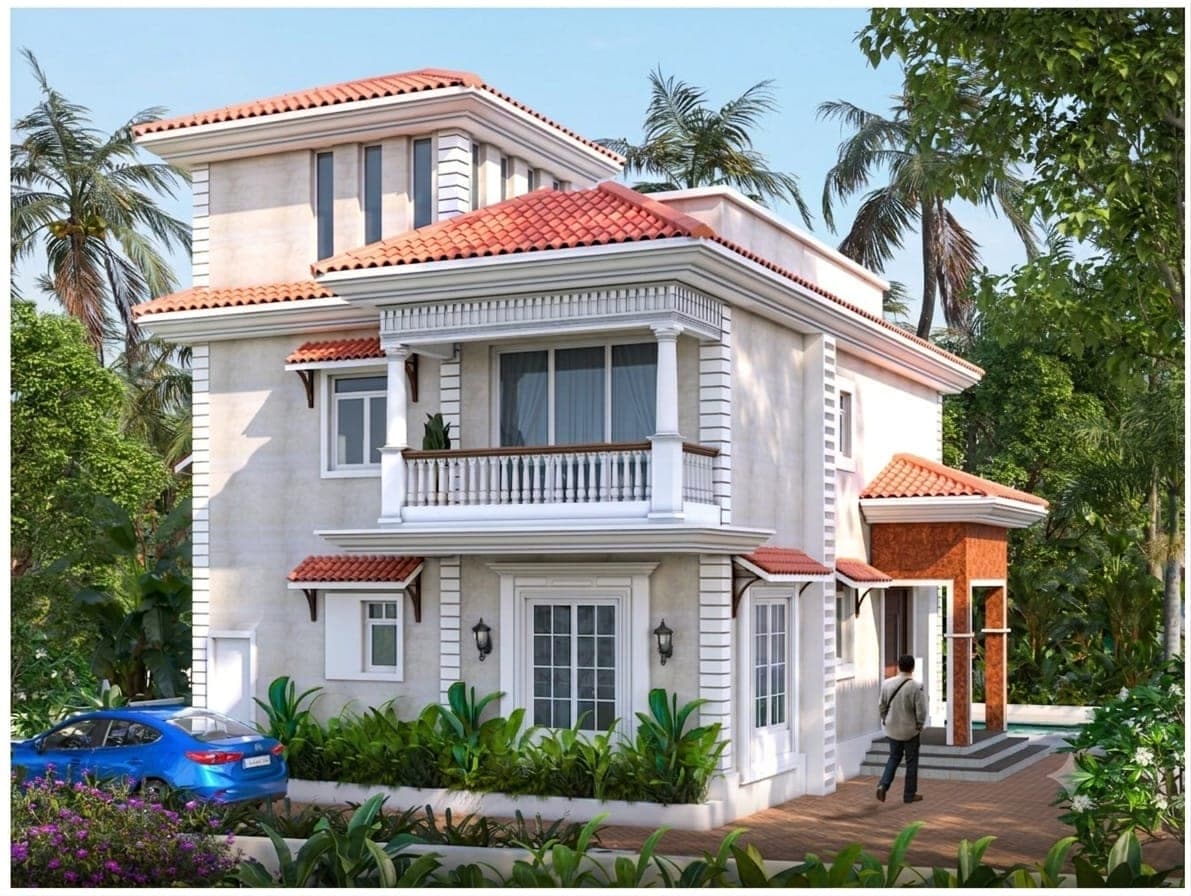
A render shows intent, not a binding commitment. Before you rely on any visual — whether a CGI render, a floor plan, or a show unit — get the actual structural and finish specifications in writing: room dimensions, materials for flooring and fittings, the pool specification if one is included, and any features shown in marketing visuals that you specifically care about. If a developer is transparent that current images are architect's renders rather than finished photography, that transparency itself is a good sign — a project should always be upfront about render-versus-photo status rather than letting a buyer assume renders are photographs. What matters more than the images themselves is whether the underlying specification is written into your agreement, not left to the render's implication.
Payment Milestones Tied to Construction, Not the Calendar
A well-structured under-construction payment schedule releases funds against verified construction stages — foundation, structure, roofing, finishing — rather than fixed calendar dates unrelated to actual progress. A schedule that asks for large payments ahead of the corresponding construction stage shifts risk onto the buyer if the project slows; a schedule aligned to verified progress keeps that risk where it belongs. Ask how progress is verified before each payment is due, and by whom.
What Recourse Exists If Timelines Slip
Before committing, understand what happens if delivery runs late. This should be addressed explicitly in your sale agreement — not left to an informal understanding — covering what constitutes a meaningful delay, what recourse or remedy is available to you if one occurs, and what communication commitment the developer makes if a stage falls behind schedule. Listiing has a separate, dedicated guide to RERA in Goa for readers who want the full detail on statutory delivery protections and how they differ between registered and exempt projects; the point to internalise here is that this protection should be addressed in writing regardless of a project's RERA status, since a small villa collection frequently sits below the mandatory registration threshold and the contractual commitment then carries the full weight that statute would otherwise share.
Verifying the Land Behind a Small Collection
A boutique villa collection sits on a specific, identifiable parcel of land, and that land's title and use classification deserve the same scrutiny as they would for a much larger project — arguably more, since a smaller collection may have had less institutional-grade legal process applied to it by default. Independently verify the chain of title, confirm the land's classification supports the residential development being built, and confirm any land-use conversion process behind the project was completed and documented rather than assumed. Do this through your own advocate's independent search, not solely through documents supplied by the seller.
Structural Specifications to Pin Down in Writing
Beyond the general finish specification, a villa purchase specifically should have the following confirmed in writing: private amenity specifications (a pool's dimensions and finish, for instance, if one is included), any structural defect-liability commitment the developer is offering after handover, and the exact boundary and setback lines for your specific unit within the collection. None of this should be inferred from a site plan alone.
Why South Goa's Villa Belt Draws a Different Buyer
South Goa's quieter corridors — including areas like Betalbatim — offer a genuinely different proposition from North Goa's more built-up beach belt: lower density, more space around each home, and a slower pace that suits a buyer prioritising privacy over beach-walkability and nightlife proximity. Listiing's own IN22612R listing — a gated collection of villas with private pools in Betalbatim, currently under construction — is a real example of this category: a deliberately small collection, transparent about its current render-versus-photograph status, built for buyers who want space and privacy over the amenity density of the more established North Goa corridors.
A Note for Buyers
Under-construction buying rewards patience with documentation and punishes reliance on marketing alone. A buyer who insists on written specification, milestone-based payments, explicit delay recourse, and independently verified title walks into a project with real protection, whatever stage of construction it is at. If a South Goa villa collection or any other under-construction listing has caught your attention, browse the current collection at https://listiing.com/property/ or reach out and we will walk you through exactly what to verify before you commit.
Frequently Asked Questions
What should I check before buying an under-construction villa in Goa?
Get the structural and finish specification in writing rather than relying on renders, confirm the payment schedule is tied to verified construction stages rather than calendar dates, understand your recourse if timelines slip, independently verify the land title and use classification, and pin down structural and amenity specifications like pool details in writing.
Is it a red flag if a developer uses architect's renders instead of real photos?
Not if it is disclosed transparently. A project being upfront that current images are architect's renders rather than finished photography, and committing to update them as construction progresses, is a sign of transparency. What matters more is whether the underlying specification is written into the sale agreement rather than only implied by the renders.
How should payments be structured for an under-construction property?
Payments should be released against verified construction stages — such as foundation, structure, roofing, and finishing — rather than fixed calendar dates unrelated to actual progress. This keeps the risk of a delayed project from falling disproportionately on the buyer, and buyers should ask how each stage is verified before a payment becomes due.
Do small villa collections in Goa need the same title diligence as larger developments?
Yes, and arguably more, since a smaller collection may not have had the same institutional-grade legal process applied by default. Buyers should independently verify the chain of title and land-use classification through their own advocate's search, rather than relying solely on documents supplied by the seller.
What is an example of an under-construction villa collection in South Goa?
Listiing's IN22612R listing — a gated collection of villas with private pools in Betalbatim, South Goa — is a real example: currently under construction, transparent about using architect's renders ahead of finished photography, and positioned for buyers seeking space and privacy in South Goa's quieter villa belt.
People also ask
Quick answers on this topic.
- What should I check before buying an under-construction villa in Goa? +
- Get the structural and finish specification in writing rather than relying on renders, confirm the payment schedule is tied to verified construction stages rather than calendar dates, understand your recourse if timelines slip, independently verify the land title and use classification, and pin down structural and amenity specifications like pool details in writing.
- Is it a red flag if a developer uses architect's renders instead of real photos? +
- Not if it is disclosed transparently. A project being upfront that current images are architect's renders rather than finished photography, and committing to update them as construction progresses, is a sign of transparency. What matters more is whether the underlying specification is written into the sale agreement rather than only implied by the renders.
- How should payments be structured for an under-construction property? +
- Payments should be released against verified construction stages — such as foundation, structure, roofing, and finishing — rather than fixed calendar dates unrelated to actual progress. This keeps the risk of a delayed project from falling disproportionately on the buyer, and buyers should ask how each stage is verified before a payment becomes due.
- Do small villa collections in Goa need the same title diligence as larger developments? +
- Yes, and arguably more, since a smaller collection may not have had the same institutional-grade legal process applied by default. Buyers should independently verify the chain of title and land-use classification through their own advocate's search, rather than relying solely on documents supplied by the seller.
- What is an example of an under-construction villa collection in South Goa? +
- Listiing's IN22612R listing — a gated collection of villas with private pools in Betalbatim, South Goa — is a real example: currently under construction, transparent about using architect's renders ahead of finished photography, and positioned for buyers seeking space and privacy in South Goa's quieter villa belt.
Have a question?
Talk to us about what you read.
If this piece raised questions about a specific property or corridor, drop us a line. Short, honest replies — that's all we do.
More in Buying Guide