Owning a Second Home in Goa: Property Management and Keeping It Rental-Ready
A holiday home that sits empty most of the year is a cost. The same property, kept genuinely rental-ready, is an asset that works even when you are not there. The difference is operational discipline, not luck.

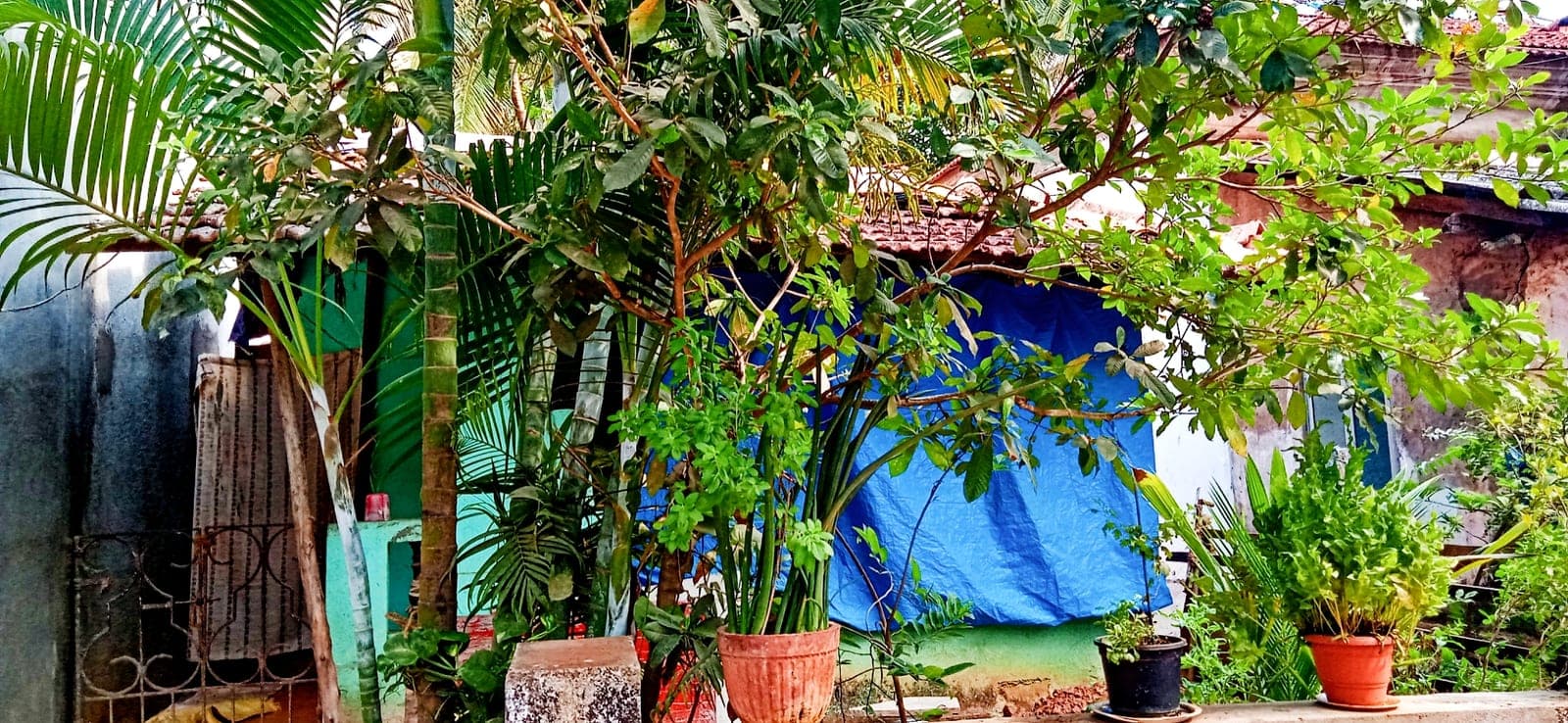
Photo: Fredericknoronha, CC BY-SA 4.0, via Wikimedia Commons
"Rental-ready" gets used loosely in property listings, usually to mean furnished and photogenic. Genuinely rental-ready means something more specific and more operational: a property that can be handed to a guest with confidence on short notice, without its non-resident owner having to personally coordinate every detail from wherever they actually live. That gap — between a nice property and an operationally ready one — is where most absentee-owner frustration in Goa actually comes from.
What Rental-Ready Requires in Practice
A handful of operational basics separate a property that functions well as a second home-cum-rental from one that generates constant friction for its owner:
- Furnishings and linen maintained to a consistent standard. Coastal humidity is hard on soft furnishings, and a guest-facing property needs a defined refresh and laundering routine, not an ad hoc one.
- Housekeeping turnover between stays. Someone needs to physically prepare the property between your own visits and any guest stay — cleaning, restocking, and checking condition — on a defined schedule, not "whenever someone is free."
- Key-handling and guest access. As a non-resident owner, you need a reliable, secure way for guests to get in and out without you personally being present — whether that is a managed key exchange, a smart-lock system, or a trusted local point of contact.
- Seasonal readiness. Ahead of Goa's tourist season, a property needs a pre-season check — air-conditioning servicing, pest treatment, exterior condition after the monsoon — completed on a schedule that anticipates the season rather than reacting to a guest complaint once it has started.
Managing Utilities and Charges From a Distance
An absentee owner still owes society or maintenance charges, utility bills, and statutory dues on schedule, whether or not the property is occupied at any given moment. Late payment on a society charge can create friction with the community; a lapsed utility connection can mean arriving to a property with no power or water. Whether you handle this yourself through standing instructions and reminders, or delegate it to a managing service, it needs an explicit owner, not an assumption that someone will notice if something is missed.
Self-Managing Remotely vs. a Managed Arrangement
Self-managing from another city or country is possible, and some owners genuinely prefer the control — but it requires a real local network: someone you trust to physically check the property, a contractor relationship for repairs, and enough personal bandwidth to coordinate guest logistics across time zones if you intend to rent. It works best for owners who visit frequently and are comfortable being reachable for decisions at short notice.
A managed-rental arrangement exists precisely to remove that coordination burden — a service that handles guest turnover, maintenance triage, and day-to-day oversight on the owner's behalf, in exchange for a share of the arrangement's economics. The trade-off is straightforward: less personal control over day-to-day decisions, in exchange for materially less coordination effort from a distance. Which side of that trade-off suits you depends on how much personal-use time you expect to take, how far you live from the property, and how much operational involvement you actually want.
Questions to Ask Before Signing Up With Any Management Arrangement
- How is condition and activity reported back to you — regular photos, a written log, a dashboard — and how often?
- Who physically holds keys, and what is the protocol if you want to change that arrangement later?
- What is the escalation path when something goes wrong — a maintenance issue, a guest complaint — and what can the manager decide on their own versus what requires your sign-off?
- What happens during your own personal-use periods — how is the property blocked out, and how much notice does the arrangement need?
A good arrangement should be able to answer all of these clearly and in writing before you commit, not vaguely in conversation.
A Note for Buyers
The properties that work best as second homes are rarely the ones bought on impulse and figured out afterward — they are the ones where the owner thought through, before signing, exactly how the place would be looked after when they were not there. Whether that means a hands-on self-managed approach with a trusted local network or a formal managed-rental arrangement, the plan should exist before the purchase, not after the first frustrating trip. If you are weighing a property with rental-management amenities already in place, browse the current collection at https://listiing.com/property/, or reach out and we will talk through what ownership will actually look like day to day.
Frequently Asked Questions
What does "rental-ready" actually mean for a Goa second home?
Beyond being furnished, it means the property has a defined housekeeping and turnover routine, reliable key-handling and guest access that does not require the owner's physical presence, furnishings maintained to a consistent standard against coastal humidity, and a pre-season readiness check ahead of Goa's tourist season.
Can I manage a Goa rental property remotely without a management service?
Yes, but it requires a real local network — someone trustworthy to physically check the property, a reliable contractor relationship, and the personal bandwidth to coordinate guest logistics across time zones. It suits owners who visit frequently and are comfortable being reachable for decisions at short notice.
What is the trade-off between self-managing and using a property management arrangement?
Self-managing gives more day-to-day control but requires more personal coordination effort. A managed-rental arrangement removes that coordination burden by handling turnover, maintenance, and oversight, in exchange for less direct control and a share of the arrangement's economics. The right choice depends on how much personal-use time you take and how much operational involvement you want.
What should I ask before signing up with a property management service in Goa?
How condition and activity are reported and how often, who physically holds keys and how that can change, the escalation path when something goes wrong and what the manager can decide independently, and how your own personal-use periods are blocked out and how much notice is needed.
Who is responsible for society charges and utilities if I am not in Goa?
The owner remains responsible regardless of occupancy or physical presence. This can be handled through standing instructions and reminders if self-managing, or delegated to a managing service, but it needs an explicit owner rather than an assumption that a lapse will be noticed and fixed automatically.
People also ask
Quick answers on this topic.
- What does "rental-ready" actually mean for a Goa second home? +
- Beyond being furnished, it means the property has a defined housekeeping and turnover routine, reliable key-handling and guest access that does not require the owner's physical presence, furnishings maintained to a consistent standard against coastal humidity, and a pre-season readiness check ahead of Goa's tourist season.
- Can I manage a Goa rental property remotely without a management service? +
- Yes, but it requires a real local network — someone trustworthy to physically check the property, a reliable contractor relationship, and the personal bandwidth to coordinate guest logistics across time zones. It suits owners who visit frequently and are comfortable being reachable for decisions at short notice.
- What is the trade-off between self-managing and using a property management arrangement? +
- Self-managing gives more day-to-day control but requires more personal coordination effort. A managed-rental arrangement removes that coordination burden by handling turnover, maintenance, and oversight, in exchange for less direct control and a share of the arrangement's economics. The right choice depends on how much personal-use time you take and how much operational involvement you want.
- What should I ask before signing up with a property management service in Goa? +
- How condition and activity are reported and how often, who physically holds keys and how that can change, the escalation path when something goes wrong and what the manager can decide independently, and how your own personal-use periods are blocked out and how much notice is needed.
- Who is responsible for society charges and utilities if I am not in Goa? +
- The owner remains responsible regardless of occupancy or physical presence. This can be handled through standing instructions and reminders if self-managing, or delegated to a managing service, but it needs an explicit owner rather than an assumption that a lapse will be noticed and fixed automatically.
Have a question?
Talk to us about what you read.
If this piece raised questions about a specific property or corridor, drop us a line. Short, honest replies — that's all we do.
More in Buying Guide