The True Cost of Owning a Holiday Home in Goa: Beyond the Purchase Price
The headline price is the number every buyer negotiates over. It is not the number that determines whether a holiday home stays a pleasure or becomes a quiet source of stress. Here is what ownership actually asks of you after the keys change hands.
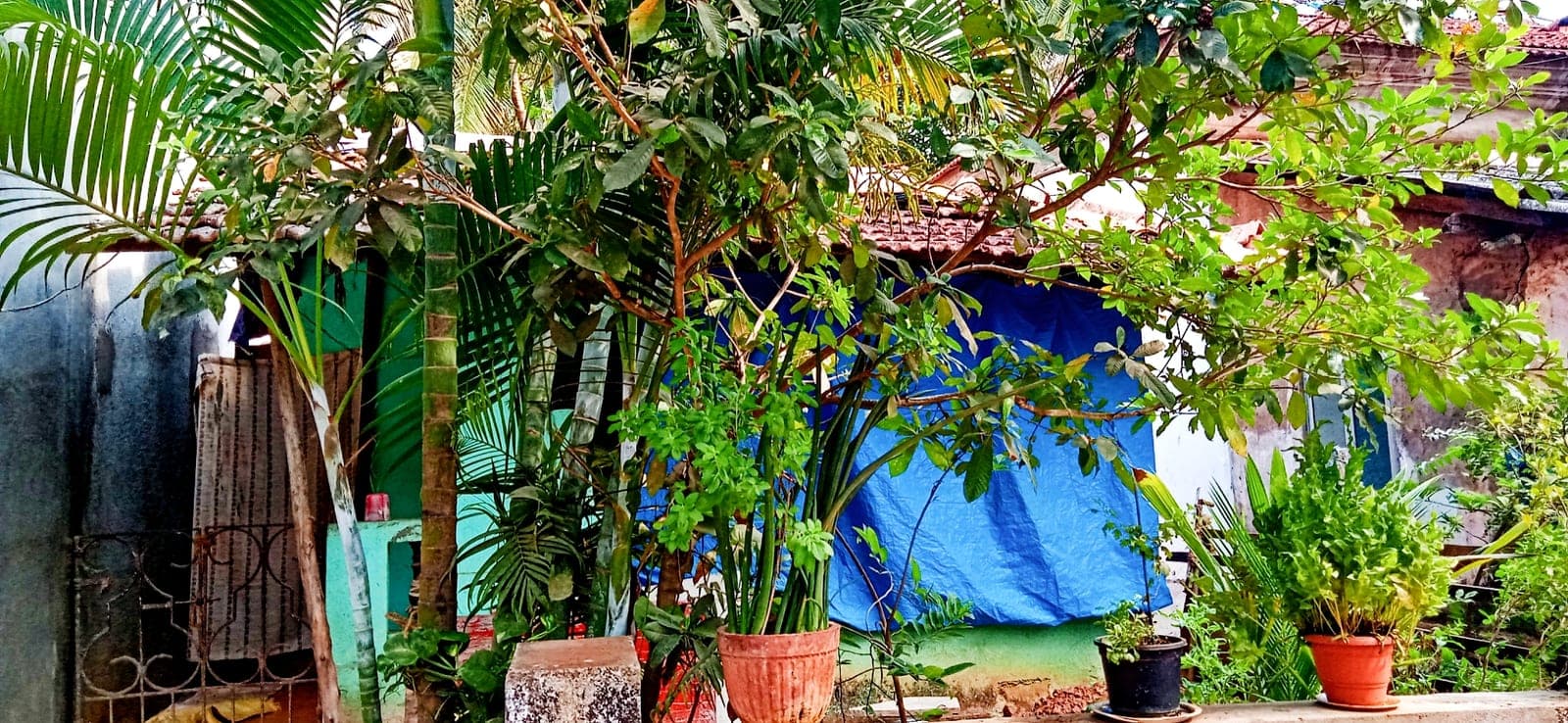
Photo: Voxbyrox, CC BY-SA 4.0, via Wikimedia Commons
Most buyers plan meticulously for the purchase price and the closing costs that sit on top of it, and then stop planning the moment the keys are handed over. That is a mistake specific to holiday homes: a property you do not live in year-round does not stop needing attention simply because you are elsewhere. It needs a defined, budgeted, recurring plan for its ongoing costs — not an afterthought discovered the first time something goes wrong while you are six time zones away. This is a guide to what those ongoing costs actually are, not what they cost, because the categories are what buyers consistently underestimate.
Statutory and Recurring Charges
Property or house tax is levied annually by the local municipal or panchayat authority and is a fixed obligation of ownership, independent of whether you occupy the property for one week a year or fifty. Utility connections — electricity and water — carry their own standing charges even during months the property sits empty, and reconnection or account-transfer formalities are worth resolving at the time of purchase rather than discovering they lapsed the week before you arrive for a holiday.
Community and Society Charges
If your property sits within a gated development or apartment complex, a maintenance or society charge is a near-certainty, and it funds the amenities that make managed developments attractive in the first place — security, common-area upkeep, pool maintenance, landscaping, and often a share of staff costs. These charges are recurring regardless of occupancy, and buyers should ask, before signing, exactly what the charge covers, how it has trended historically, and whether any large capital works (a roof replacement, a pool relining) are anticipated that could trigger a special assessment on top of the regular charge.
Staffing and Caretaking
An absentee-owner holiday home needs someone with eyes on it between visits — checking for water leaks, pest activity, and general condition, airing the property out, and being available to let in a contractor or emergency service if something needs attention. For a standalone villa without a managing community, this caretaking function does not exist unless the owner arranges it directly. Even within a managed gated development, day-to-day housekeeping and turnover between your own stays and any guests you host is a distinct, ongoing service, separate from the community's baseline security and grounds maintenance.
Climate-Driven Maintenance
Goa's coastal climate is not neutral to a building. The monsoon is a genuinely structural consideration, not a seasonal inconvenience — exterior waterproofing, drainage, and roof integrity need periodic inspection and upkeep specifically because of it, and deferred maintenance in this climate compounds faster than it would inland. Salt-laden air accelerates corrosion on anything metal — railings, fittings, outdoor furniture, air-conditioning units — and humidity is a standing invitation to mould and mildew inside a property that sits closed up for long stretches. None of this is unique to any one property; it is the operating reality of owning any building on this coast, and a buyer who treats it as a one-time inspection item rather than a recurring line item will be caught out within a few seasons.
Insurance
A holiday home is, functionally, an unoccupied asset for a meaningful part of the year, which is exactly the profile insurers price most carefully. Structure and contents cover, and — where furnishings are part of the property, as they increasingly are in ready-to-move listings — cover for those furnishings specifically, is worth arranging deliberately rather than assuming a generic homeowner policy covers an absentee-owner risk profile adequately.
Furnishings and Depreciation
If your property is sold furnished or you furnish it for guest use, the furnishings themselves are a depreciating asset subject to the same coastal humidity and salt air as the building — upholstery, wood finishes, and soft furnishings age faster here than in a drier inland climate, and a realistic ownership plan budgets for periodic refresh rather than assuming furnishings bought at handover will look the same in several years' time.
Where a Managed-Rental Arrangement Fits
For an owner who will not occupy the property year-round, a managed-rental arrangement can offset a meaningful share of these recurring costs by putting the property to productive use during the periods it would otherwise sit empty — while still preserving personal-use windows for the owner. This is not a way to eliminate ownership costs; it is a way to have the asset work for you rather than sit as pure cost during the months you are not there. Whether it makes sense depends on how much personal-use time you actually intend to use versus how much the property would otherwise sit idle.
A Note for Buyers
None of this is meant to discourage ownership — it is meant to make the decision an informed one rather than a surprised one. A buyer who understands, before signing, that a holiday home carries statutory charges, community fees, staffing needs, climate-specific maintenance, insurance, and furnishings upkeep as a matter of course is a buyer who enjoys the property rather than resents it eighteen months in. Budget for these categories as part of the purchase decision, not as unwelcome discoveries after it. If you are weighing a specific property and want a realistic picture of what ownership will actually ask of you, browse the current collection at https://listiing.com/property/ or reach out to the Listiing team — we walk every serious buyer through this before they commit, not after.
Frequently Asked Questions
What ongoing costs come with owning a holiday home in Goa?
Beyond the purchase price, owners should plan for statutory property/house tax and utility charges, community or society maintenance fees in gated developments, staffing and caretaking for an absentee-owner property, climate-driven maintenance specific to Goa's monsoon and coastal air, insurance suited to an unoccupied-asset risk profile, and periodic refresh of furnishings. These are recurring categories, not one-time costs.
Do I need a caretaker if my Goa property is in a gated community?
A managed community typically covers baseline security and common-area upkeep, but day-to-day housekeeping, turnover between stays, and someone with eyes on your specific unit between visits are usually a separate arrangement. A standalone villa outside a managed community needs this caretaking function arranged independently, since it does not exist by default.
Why does Goa's climate matter for ongoing maintenance?
The monsoon places real, recurring demands on waterproofing, drainage, and roof integrity, salt-laden coastal air accelerates corrosion on metal fittings and outdoor items, and humidity encourages mould in properties left closed up between visits. Treating this as a one-time inspection rather than a recurring line item is a common and costly mistake.
Should I insure a Goa holiday home differently from a primary residence?
Yes — an unoccupied-for-part-of-the-year property carries a different risk profile than a primary residence, and insurers price that difference. Structure, contents, and — where relevant — furnishings cover are worth arranging deliberately rather than assuming a generic homeowner policy fits an absentee-owner profile.
Does a managed-rental arrangement eliminate ownership costs?
No — it offsets them by putting the property to productive use during periods it would otherwise sit empty, while preserving personal-use windows for the owner. It changes the economics of ownership; it does not remove the underlying recurring costs of maintaining the asset.
People also ask
Quick answers on this topic.
- What ongoing costs come with owning a holiday home in Goa? +
- Beyond the purchase price, owners should plan for statutory property/house tax and utility charges, community or society maintenance fees in gated developments, staffing and caretaking for an absentee-owner property, climate-driven maintenance specific to Goa's monsoon and coastal air, insurance suited to an unoccupied-asset risk profile, and periodic refresh of furnishings. These are recurring categories, not one-time costs.
- Do I need a caretaker if my Goa property is in a gated community? +
- A managed community typically covers baseline security and common-area upkeep, but day-to-day housekeeping, turnover between stays, and someone with eyes on your specific unit between visits are usually a separate arrangement. A standalone villa outside a managed community needs this caretaking function arranged independently, since it does not exist by default.
- Why does Goa's climate matter for ongoing maintenance? +
- The monsoon places real, recurring demands on waterproofing, drainage, and roof integrity, salt-laden coastal air accelerates corrosion on metal fittings and outdoor items, and humidity encourages mould in properties left closed up between visits. Treating this as a one-time inspection rather than a recurring line item is a common and costly mistake.
- Should I insure a Goa holiday home differently from a primary residence? +
- Yes — an unoccupied-for-part-of-the-year property carries a different risk profile than a primary residence, and insurers price that difference. Structure, contents, and — where relevant — furnishings cover are worth arranging deliberately rather than assuming a generic homeowner policy fits an absentee-owner profile.
- Does a managed-rental arrangement eliminate ownership costs? +
- No — it offsets them by putting the property to productive use during periods it would otherwise sit empty, while preserving personal-use windows for the owner. It changes the economics of ownership; it does not remove the underlying recurring costs of maintaining the asset.
Have a question?
Talk to us about what you read.
If this piece raised questions about a specific property or corridor, drop us a line. Short, honest replies — that's all we do.
More in Buying Guide